


Quick Answer:
Is pain after a root canal normal?
Some discomfort after root canal treatment is common as the treated area heals. However, ongoing or severe pain after a root canal may signal a problem that needs attention.
Key Takeaways:
- Mild root canal pain after treatment can be part of the healing process
- Tooth pain after a root canal when biting should be monitored
- Severe or unbearable pain after a root canal may be a sign of infection
- Early dental care supports pain management and oral health
Many patients expect a root canal to be pain-free once treatment is finished. When dental pain after a root canal occurs, it can feel confusing or concerning, especially if the root canal hurts more than expected. Experiencing root canal tooth pain during healing does not always mean something is wrong.
Understanding why pain after a root canal happens helps patients know what is normal and when to seek care. Clear guidance on root canal pain relief can reduce anxiety and help patients manage discomfort more effectively. Knowing what to expect also supports a calmer recovery and better healing overall.
Why Pain Can Occur After Root Canal Therapy
Root canal therapy removes infected tissue and cleans the inside of the affected tooth. Even after treatment, the surrounding tissues may feel tender as they heal.
Local anesthesia used during the procedure can mask discomfort at first. Once it wears off, pain in a root-canaled tooth or gum pain after a root canal may be noticed. This usually improves as inflammation reduces.

Types of Pain Patients May Experience
Pain after a root canal does not feel the same for everyone. Some discomfort is expected, but certain symptoms should be watched closely.
Common post-treatment sensations include:
- Pain in the tooth after a root canal when chewing on the treated side
- Pressure pain in the root canal of the tooth when biting down
- Pain after a root canal in the jaw or a painful jaw after a root canal
These symptoms are often linked to inflammation in the treated area and may include pain or swelling around the tooth or jaw. They usually ease within a few days with proper care.
When Pain May Signal a Bigger Issue
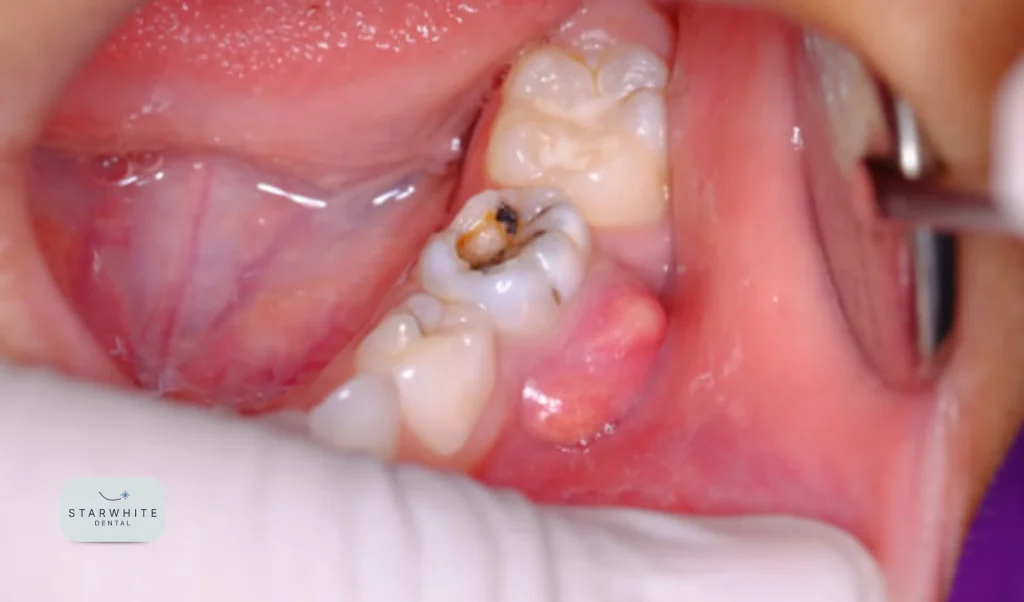
While mild discomfort is normal, extreme pain after a root canal is not. Severe pain after a root canal or swelling that does not improve may indicate a sign of infection.
Other warning signs include a bad taste, ongoing root canal toothache pain, or pain following a root canal that worsens instead of improving. In these cases, prompt dental care is important to protect oral health.
Steps That Help Reduce Discomfort During Healing
Managing after root canal pain focuses on protecting the treated tooth and supporting healing. Simple steps can make recovery smoother.
Helpful pain relief steps include:
- Avoid chewing on the treated side until advised
- Take the recommended pain management medication
- Allow time for inflammation to reduce naturally
A filling or crown placed on the treated tooth also helps protect it from pressure. Proper restoration reduces the risk of future pain and supports long-term comfort.
Final Thoughts
Pain after a root canal can be part of the normal healing process, especially during the first few days. Mild tooth pain after a root canal or sensitivity when biting often improves as tissues recover and the body works to reduce inflammation.
However, unbearable pain after a root canal, ongoing jaw discomfort, or pain in the affected tooth should not be ignored. Early follow-up care helps prevent complications and supports long-term dental health.
Get Support for Root Canal Pain Relief
Understanding pain after root canal treatment helps patients feel more in control of their recovery. Clear communication and timely care play an important role in successful healing.
StarWhite Dental focuses on patient comfort, transparency, and supportive treatment planning. If you are experiencing ongoing discomfort or have questions about your recovery, call (951) 698-4426 to take the next step toward confident dental care.

Frequently Asked Questions
Do I still feel pain after a root canal?
Mild soreness or pressure can occur for a short time as the treated area heals. This is usually temporary and improves as inflammation decreases.
Do I need to worry about pain when biting after treatment?
Pain when biting should be monitored, especially if it worsens or does not improve over time. Ongoing discomfort may indicate the need for further evaluation.
Do severe symptoms mean something is wrong?
Severe or extreme pain can be a sign of infection or another complication. Prompt dental evaluation is recommended in these cases.
Do I need a crown after root canal therapy?
In many cases, a filling or crown is recommended to protect the treated tooth and restore strength. This helps prevent future damage or discomfort.
Do I need retreatment if pain continues?
If pain persists after healing, root canal retreatment may be considered following a thorough examination. Additional care is based on the condition of the treated tooth.


